

How to Design a Home for Multi-Generational Living
Multi-generational living has always been part of life in Toronto. But over the past several years, it has moved from a cultural tradition to a mainstream housing strategy — and for good reason. Aging parents who want to stay close to family, adult children navigating one of the world’s most expensive housing markets, and families looking to share the costs of a significant home investment have all found that living together, when the home is designed for it, simply works.
The key phrase is designed for it. A multi-generational home that functions well isn’t just a large house with extra bedrooms. It’s a home that’s been deliberately planned to support independent living within a shared structure — with thoughtful decisions made about privacy, access, shared spaces, and long-term adaptability built in from the beginning.
As a custom home builder in Toronto with over 20 years of experience in design-build residential construction, we’ve worked with many families navigating exactly this challenge. Here’s what the process looks like — and what the most important decisions are.
Start With How the Family Actually Lives
Before any design work begins, the most important conversation is about how the people involved will actually use the home day to day. Multi-generational households vary enormously. Some families want to share meals and common spaces routinely, with privacy retreating to separate wings at night. Others need two fully independent units — separate kitchens, separate entrances, separate everything — with connection by choice rather than necessity. Most fall somewhere in between.
Getting clarity on this before a floor plan is drawn is essential. The answers to questions like “Will grandparents join family dinners every night, or prefer to cook independently?” and “Does the parent suite need its own laundry?” and “How important is it that the home can function as two separate units if circumstances change?” fundamentally shape the design. A good design-build team will push for this clarity early — because the decisions made at this stage affect everything that follows.
The Two Core Design Models
Most multi-generational homes in Toronto are designed around one of two basic frameworks, or a hybrid of the two.
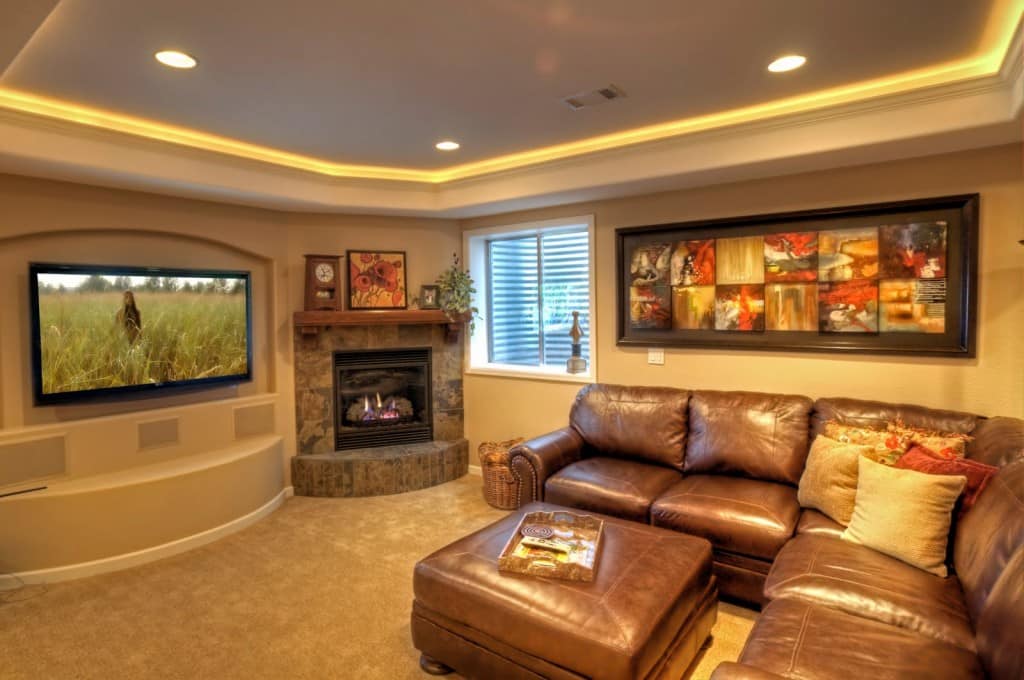
The first is a connected but distinct layout — a single home with clearly defined zones for each generation. This might mean a primary suite or apartment on the main floor for aging parents, with the main family occupying the upper levels. Or a rear addition or lower-level suite that provides independent space while remaining physically connected to the primary home. In this model, there’s typically one main entrance, shared outdoor space, and a flexible degree of separation between the zones.
The second is a fully independent dual-unit home — what is sometimes referred to as a multi-family home or a purpose-built two-unit dwelling. Each unit has its own entrance, kitchen, bathroom, laundry, and living spaces. The two units may be stacked (one per floor), side by side, or front and rear. From a daily living standpoint, each household operates completely independently. In Toronto, this configuration requires careful attention to zoning, building code, and permitted use — but it is achievable on the right lot with the right planning.
The choice between these models — or where on the spectrum between them the design lands — depends on the family’s preferences, the lot’s constraints, and the long-term goals for the property.
Designing for Independence Within the Home
Regardless of which model fits your family, a well-designed multi-generational home shares certain characteristics. Each of these is worth thinking through deliberately during the design phase.
Separate entrances. The ability for each household to come and go independently — without passing through each other’s primary living space — is one of the most important contributors to harmonious multi-generational living. This is both a functional and a psychological consideration. A separate entrance doesn’t have to mean a completely isolated unit; it can be as simple as a dedicated side or rear entry that connects to a private foyer.
Sound attenuation. Shared walls, floors, and ceilings between units need to be designed and built with sound separation in mind. This involves both the structural assembly — framing, insulation type, and mass — and the mechanical systems. HVAC ductwork in particular can transmit sound between units if not properly designed. In a purpose-built multi-generational home, acoustic performance between zones should be part of the brief from day one.
Accessible design. If part of the purpose of the home is to allow aging parents to live independently and comfortably for as long as possible, accessibility should be incorporated from the start — not added later as a retrofit. This means wider doorways, no-step entries, a ground-floor bedroom and bathroom, curbless showers, and thoughtful positioning of switches and fixtures. Building these features in during design costs a fraction of what adding them later would — and they make the home genuinely livable for decades.
Flexible shared spaces. How much shared space the home includes — and how it’s configured — should reflect how the family actually wants to interact. Some families want a large shared kitchen and dining space that draws everyone together; others want fully separate kitchens with a shared outdoor area as the gathering point. A shared mudroom entry, laundry room, or sitting area can create connection without requiring the deep integration of a fully shared floor plan.
Future adaptability. Family circumstances change. Parents age. Adult children move out. The household that needs two fully independent units today may function differently in ten years. Designing a multi-generational home with adaptability in mind — the ability to open or close connections between units, adjust the level of separation, or ultimately convert the home to a conventional single-family dwelling or a rental — protects the investment and gives the family options.
Zoning, Permits, and What’s Actually Allowed
Toronto’s zoning bylaws now permit two residential units in most residential zones as-of-right, meaning a purpose-built two-unit home — or the addition of a secondary suite to an existing home — doesn’t typically require a rezoning or variance. This has significantly expanded what’s possible for multi-generational projects across the city.
That said, the specifics matter. The Ontario Building Code has detailed requirements for fire separation between units, egress, mechanical systems, and suite design that must be met in any multi-unit dwelling. A multi-family home configuration — two full, independently habitable units within one building — is subject to a higher level of scrutiny than a single-family home with a secondary suite, and the design and construction must reflect that.
Working with a design-build company that understands both the zoning landscape and the building code requirements is essential. The planning stage of a multi-generational project is where the feasibility questions get answered — what’s possible on the lot, what the permit path looks like, and how the design needs to be structured to meet code — and those answers fundamentally shape the project.
Why Design-Build Works Particularly Well for Multi-Generational Projects
Multi-generational homes are inherently complex. They involve more stakeholders than a conventional custom home build — often with different priorities, needs, and levels of familiarity with the construction process. The design has to satisfy multiple households simultaneously. The technical requirements are more involved. And the decisions made at the planning stage have long-term consequences that are harder to undo than in a conventional project.
A design-build approach addresses these challenges well. When design and construction are managed together under one process and one team, the integration between what’s designed and what’s built is tighter. The decisions that affect how the home will live — the location of walls, the acoustic separation between units, the accessibility features — are made by people who understand both the design intent and the construction reality. There’s no gap between what the architect drew and what the builder understood.
For multi-generational clients in particular, having a single point of accountability from planning through completion also reduces the complexity of managing multiple relationships during what is already a significant undertaking.

Frequently Asked Questions
Can we build a fully independent two-unit home on a Toronto residential lot? In most Toronto residential zones, yes. The City’s zoning bylaws permit two residential units as-of-right on most residential properties. A third unit — such as a laneway suite or garden suite — may also be permitted depending on the lot. The specific configuration, setbacks, and building code requirements will depend on your zone and lot. A planning consultation is the best place to start.
Is a multi-generational home more expensive to build than a standard custom home? Generally, yes — a home designed to accommodate two independent households costs more than a home of similar size designed for one. The additional kitchen, bathrooms, mechanical systems, and fire separation requirements all add cost. However, when evaluated against the alternative — two separate properties in the Toronto market — the economics of a purpose-built multi-generational home are often very favourable.
What’s the difference between a multi-generational home and a duplex? The distinction is primarily one of intent and design. A duplex is purpose-built as two rental or ownership units, typically with no assumed relationship between the occupants. A multi-generational home is designed specifically for related households — which means the balance between independence and connection, the accessibility features, and the flexibility of the layout are all considered in ways that a conventional duplex typically isn’t.
How do we get started if we’re not sure which configuration is right for us? A planning conversation is the right first step — before committing to a design, a budget, or a lot. We help families think through the options, understand what’s feasible on a specific property, and develop a clear picture of what the project would involve. That conversation costs nothing and can save significant time and expense down the road.
Ready to Start Planning?
If you’re thinking about building or renovating a home in Toronto for multi-generational living, we’d be glad to help you work through the options.
Schedule a consultation with Novacon Construction.
Or explore our Custom Home Building and ADU services to learn more about what we offer.
Novacon Construction is an award-winning design-build company based in Toronto, Ontario. Specializing in custom homes, major home additions, and ADUs, Novacon has been delivering high-quality residential construction since 2004.

Experience the difference of what working with a real client-centric contractor specialist feels like.
- Can Older Homes Support Modern Open-Concept Designs? - May 6, 2026
- Can You Add an In-Law Suite to Your Existing Home in Toronto? - April 30, 2026
- Why Complex Home Additions Require Integrated Design & Construction - April 29, 2026