



Can You Add an In-Law Suite to Your Existing Home in Toronto?
For many Toronto families, the idea of having aging parents nearby — close enough to help, independent enough to maintain their privacy and dignity — is less a lifestyle preference and more a practical necessity. Housing costs make moving into separate homes increasingly difficult. Care needs evolve over time. And for many families, particularly those with multi-generational cultural traditions, living under the same roof, or close to it, has always been the natural arrangement.
An in-law suite offers a middle path: a self-contained living space that allows a parent or family member to live independently while remaining part of the household. But adding one to an existing Toronto home raises real questions — about what’s allowed, what’s involved, and what options actually exist on a given property.
The short answer is yes, in most cases you can. The longer answer depends on your home, your lot, and how the suite is designed and built.
What Is an In-Law Suite?
The term “in-law suite” is a common way of describing what Toronto’s zoning bylaws formally call a secondary suite — a self-contained residential unit within or attached to an existing home, with its own kitchen, bathroom, sleeping area, and private entrance.
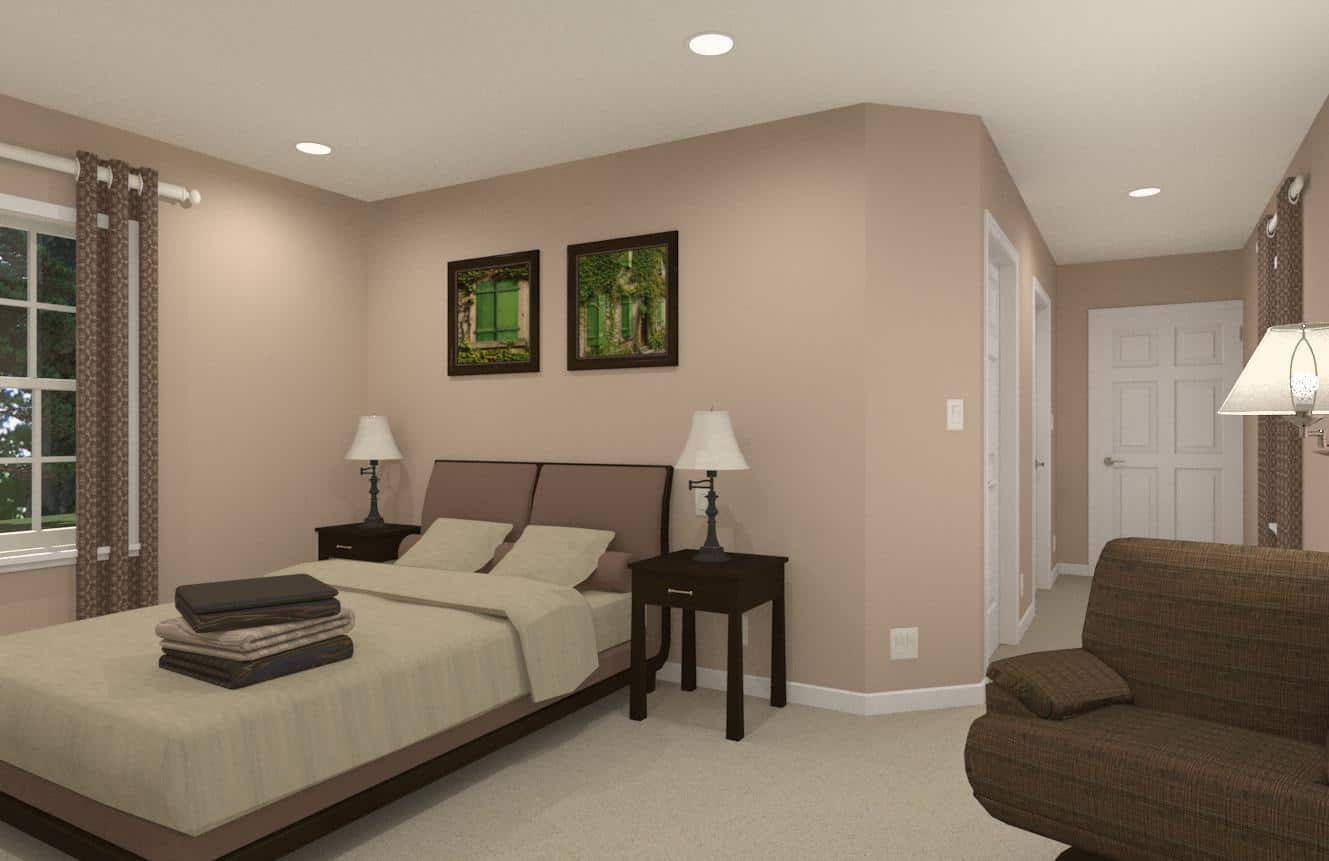
The name reflects the intent: a space designed for a family member, typically a parent or in-law, who wants independent living within or adjacent to the primary household. Unlike a rental basement apartment, an in-law suite is usually designed with specific people in mind — which means the design priorities are different. Accessibility, connection to the main home, quality of finishes, and long-term livability matter more than maximizing rentable square footage.
That said, a well-designed in-law suite is fully functional as a legal secondary suite — which means it can also serve as a rental unit if circumstances change. Designing for flexibility from the beginning gives the homeowner options over the long term.
Where Can an In-Law Suite Be Located in an Existing Home?
One of the first questions homeowners ask is where, physically, the suite can go. The answer depends on the layout and condition of the existing home, but there are several common configurations.
The basement is the most common location for an in-law suite conversion in Toronto. Many older Toronto homes have basements that are already partially finished or used for storage, and the lower level often lends itself naturally to a self-contained unit — particularly where a walkout entrance at grade is possible through the rear or side of the home. The main considerations are ceiling height, natural light, and the feasibility of creating a separate entrance without compromising the structure.
A main floor suite is often the better solution when the suite is being built for an elderly parent with mobility limitations. Locating the suite on the ground floor eliminates stairs entirely and allows for a fully accessible design — wider doorways, a roll-in shower, no-step entry — that genuinely supports independent living as needs evolve. This typically involves converting existing main floor space or building an addition specifically to house the suite.
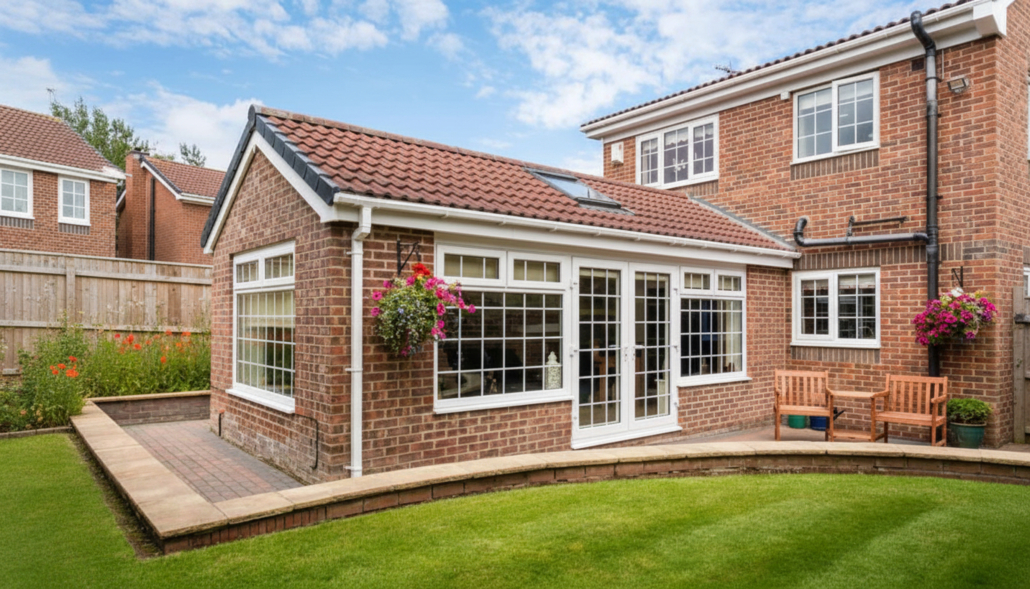
A rear addition designed for suite use is another strong option, particularly when the existing home doesn’t have a basement that can be practically converted, or when the homeowner wants to preserve the basement for the primary household’s use. An addition purpose-built as an in-law suite can be designed exactly to the occupant’s needs from the start — which often results in a better outcome than trying to fit a suite into an existing space that wasn’t built with that purpose in mind.
An attached garage conversion is worth considering on properties where a garage occupies a significant footprint but isn’t being used effectively. Converting a garage into a properly insulated, permitted living space — with plumbing, heating, and appropriate finishes — can be a cost-effective path to a ground-floor suite, provided the structure and location are suitable.
What Are the Requirements?
Creating a legal in-law suite in Toronto means meeting the same requirements as any secondary suite — zoning compliance, a building permit, and full Ontario Building Code compliance. These are not optional, and they’re not formalities.
The Building Code requirements that matter most in an in-law suite context include fire separation between the suite and the primary dwelling, independent means of egress, adequate ceiling height in all habitable spaces, natural light and ventilation, and separate or clearly allocated mechanical systems. For suites intended for elderly occupants, accessibility requirements — or voluntary accessibility upgrades beyond what the Code mandates — deserve particular attention.
Fire separation is often one of the more involved aspects of a conversion project. The Code requires a rated separation between the suite and the rest of the home — walls, floors, and ceilings must all be constructed or upgraded to meet that standard. In older Toronto homes, this often means more work than the visible finishes would suggest. A proper assessment of the existing structure before the project begins is essential to understanding the full scope of what’s required.
A separate entrance is required for a legal secondary suite — the occupant must be able to enter and exit independently, without passing through the primary dwelling’s living space. In a basement conversion, this is often achieved through a side or rear entrance at grade. In a main floor addition, it can be designed as a dedicated exterior door with its own small foyer or landing.
Accessibility: Building for the Long Term
If the suite is being created for an aging parent, designing for accessibility from the start is one of the most important investments a homeowner can make. Retrofitting accessibility features after construction is significantly more expensive than incorporating them during the original build — and in some cases, structural or spatial constraints make meaningful retrofits very difficult.
The features that make the greatest practical difference include a no-step entry to the suite, a curbless shower with grab bar blocking in the walls, wider doorways throughout, a bedroom and bathroom on the same level with no stairs between them, and lever-style hardware on all doors and fixtures. These features don’t have to look institutional — thoughtfully designed, they read as generous, well-crafted spaces rather than medical accommodations.
At Novacon, when we’re designing an in-law suite for an aging family member, we have a direct conversation about current needs and likely future needs. Building the suite to accommodate a walker or wheelchair today — even if the occupant doesn’t need one yet — costs a fraction of what modifying the space would cost later.
Do You Need a Permit?
Yes, without exception. Any in-law suite created within or attached to a Toronto home requires a building permit, and the work must pass mandatory inspections before the suite can be occupied. Building without permits exposes the homeowner to significant risk: insurance complications, potential orders to remove or remediate the work, and complications at the time of sale.
The permit process for a secondary suite in Toronto involves submitting drawings that demonstrate compliance with zoning requirements and the Ontario Building Code, followed by inspections at key stages of construction. The timeline for permit approval varies, but working with a contractor who prepares complete, accurate drawings from the start significantly reduces the likelihood of delays.
How Is an In-Law Suite Different from a Laneway or Garden Suite?
An in-law suite is contained within or structurally attached to the existing home. A laneway suite or garden suite is a completely separate, detached structure built elsewhere on the lot — typically at the rear.
Both are valid approaches to adding a secondary dwelling unit in Toronto, and both are worth considering if a family is evaluating all options. The key practical differences are cost, privacy, and connection. A detached suite offers complete independence and a more separate living experience — which some families prefer. An in-law suite within the existing home offers more integration, typically at a lower construction cost, and is often the better fit when the intent is to maintain regular daily connection between the households.
For some properties, both options may be available — a suite within the home and a detached suite in the rear yard. Toronto’s zoning now permits up to three residential units on most residential lots, so families with larger properties and the right lot conditions may be able to pursue both simultaneously or in phases.
What Does the Process Look Like?
Every in-law suite project starts with an assessment of the existing home and lot. We look at which location options are structurally and zonally feasible, what the permit requirements will involve, and what the construction scope would be for each option. From that assessment, a design process begins that accounts for both the regulatory requirements and the specific needs of the people who will live there.
For a basement conversion, construction typically takes between 10 and 16 weeks once permits are in hand, depending on scope and existing conditions. For a purpose-built addition, the timeline is longer — typically 4 to 6 months for construction, with design and permit time on top of that. In both cases, the planning stage is where the most important decisions are made, and taking the time to do it properly has a direct impact on the quality of the outcome.
Frequently Asked Questions
Can I add an in-law suite to a semi-detached home in Toronto? In most cases, yes. The same zoning permissions that apply to detached homes apply to semi-detached homes in Toronto. The shared wall and lot width create some additional design constraints, but they’re generally workable with the right approach. A site assessment will clarify what’s possible on your specific property.
What is the minimum ceiling height required for a basement in-law suite? The Ontario Building Code requires a minimum ceiling height of 1.95 metres in habitable rooms within a secondary suite. This is a firm requirement — basements with lower ceilings cannot be legally converted without underpinning or lowering the floor, which adds significantly to the project cost. Measuring your basement ceiling height early is an important first step.
Can an in-law suite increase my property taxes? Adding a secondary suite may trigger a reassessment of your property’s value through MPAC, which could affect your property tax. We recommend speaking with a property tax professional before proceeding if this is a concern.
What happens to the suite if our family member no longer needs it? A well-designed in-law suite that meets secondary suite requirements is a fully functional rental unit and a meaningful addition to your property’s value. Many homeowners find that what began as a family suite becomes a rental income source over time — which is one of the reasons designing it to a high standard from the start makes financial sense.
Does Novacon manage the design, permits, and construction together? Yes. We operate as a full-service design-build company, which means one team handles the project from planning and design through permits and construction. For a project like an in-law suite — where the details of design have a direct impact on how well the space functions for the people living in it — that integrated approach makes a meaningful difference.
Thinking About an In-Law Suite?
If you’re considering adding an in-law suite to your Toronto home and want to understand what’s possible on your specific property, we’d be glad to start the conversation.
Schedule a consultation with Novacon Construction →
Or learn more about our Home Addition and ADU services in Toronto.

Experience the difference of what working with a real client-centric contractor specialist feels like.
- Can You Convert Part of Your Home Into a Legal Secondary Suite in Toronto? - June 18, 2026
- 5 Ranch Home Addition Ideas You’ll Love - June 18, 2026
- What Most Homeowners Forget to Budget For During a Remodel - June 18, 2026