



The Biggest ADU Design Mistakes Homeowners Make
Interest in accessory dwelling units has never been higher across Toronto and the GTA. Homeowners are building them for rental income, for multi-family living, for in-law suite additions that keep aging parents close while preserving everyone’s independence, and as a long-term investment in properties that are already among the most valuable in the country.
An ADU is a great investment — when it’s done right. The challenge is that the enthusiasm homeowners bring to these projects can outpace the planning they require. ADUs are regulated, technically complex, and highly site-specific. The decisions made early in the process have consequences that are expensive and sometimes impossible to reverse once construction is underway.
These are the mistakes we see most often — and what it takes to avoid them.
Mistake #1: Assuming Any Contractor Can Build an ADU
An ADU is not a renovation. It is a self-contained residential dwelling unit, and building one requires a contractor who understands not just how to construct but how to navigate the specific regulatory, zoning, and building code requirements that apply to secondary and accessory units in Toronto and across the GTA.
The difference matters enormously in practice. An experienced ADU contractor in Toronto knows how Toronto’s zoning bylaws apply to different lot configurations, what the City’s permit reviewers look for in an ADU submission, how fire separation requirements between units work in practice, and how to design and build a suite that will pass inspections and stand behind scrutiny at the time of sale.
A general contractor without that specific experience may be perfectly capable of building the physical structure — but the regulatory and design knowledge that turns that structure into a legal, compliant dwelling unit is a different body of expertise. Hiring without it is one of the most common and most costly mistakes homeowners make.
Mistake #2: Underestimating What “Legal” Actually Requires
One of the most pervasive misconceptions about ADUs in the GTA is that making a space habitable is the same as making it legal. It isn’t.
A finished basement with a kitchen, a bathroom, and a separate entrance is not automatically a legal secondary suite. A detached structure at the rear of the property with a bed and a hotplate is not a laneway suite. Legal ADUs in Toronto must be built to the Ontario Building Code’s residential occupancy standards — which cover fire separation, egress, ceiling heights, natural light and ventilation, structural performance, mechanical systems, and more — and they must be approved through the City’s permit process, with inspections at mandatory stages.
Unpermitted suites carry serious risks. They can affect homeowner’s insurance coverage. They complicate the sale of a property and can require remediation or removal before a transaction closes. They expose homeowners to liability if something goes wrong with an occupant. And they provide none of the protection — to the homeowner or the occupant — that a properly permitted and inspected dwelling unit does.
The cost of doing it right is built into a proper ADU project. The cost of doing it wrong is open-ended.
Mistake #3: Not Understanding What the Lot Can Actually Support
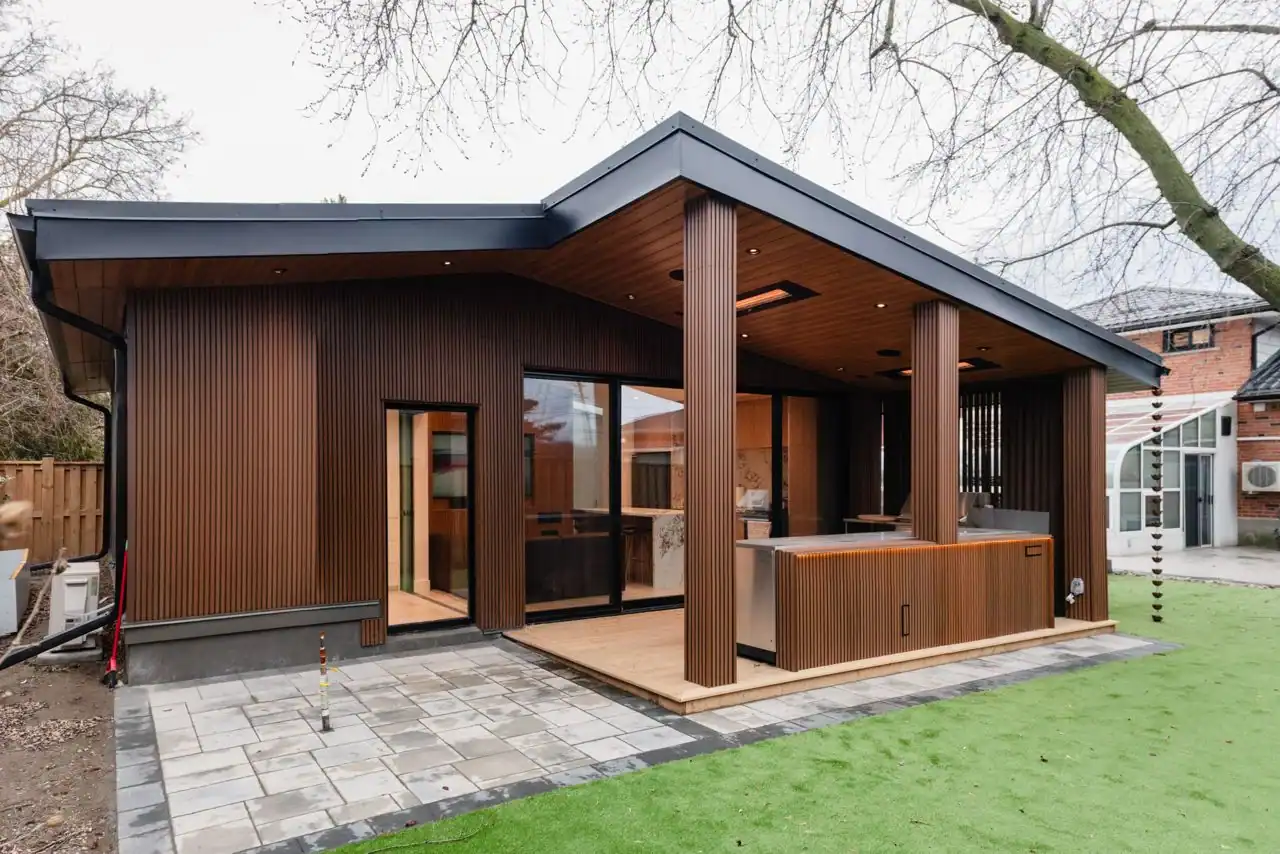
Toronto and GTA lots are not all created equal, and what one property can support in terms of an ADU is often very different from what a neighbouring property can. Lot size, existing building coverage, setbacks from property lines, access to laneways, servicing capacity, and the zone the property sits in all affect what type of ADU is permitted, how large it can be, and where on the lot it can be located.
Homeowners who start the design process without a thorough zoning and feasibility assessment often invest significant time and money in a design that turns out not to be permittable on their specific lot. The discovery that the laneway suite they’ve been designing is 40 square metres over the permitted lot coverage limit — or that their lot doesn’t have laneway access at all — should happen before the design phase, not during it.
A proper feasibility assessment covers what the zoning allows, what the lot can physically accommodate, and what the permit path for the project looks like. It is the foundation on which everything else is built, and skipping it is a shortcut that rarely saves time or money.
Mistake #4: Treating the Suite as an Afterthought in the Design
ADUs built as an afterthought — squeezed into whatever space was left over after the primary dwelling’s needs were met — rarely function well as independent living spaces. Low ceilings, cramped layouts, poor natural light, awkward access, inadequate storage, and under-scaled kitchens and bathrooms are the hallmarks of a suite that was designed to meet the minimum rather than to genuinely serve the people who will live there.
This matters whether the suite is intended for a family member or for a tenant. A well-designed in-law suite addition that creates a genuinely comfortable, dignified living environment for an aging parent is a fundamentally different thing from a technically compliant space that feels like a concession. A rental suite designed thoughtfully — with good light, a functional kitchen, a proper bathroom, and enough storage for everyday living — attracts better tenants, commands higher rents, and requires less turnover management over time.
Multi-family living works best when everyone in the arrangement has a space that genuinely serves them. That outcome requires treating the ADU as a primary design objective, not a secondary one.
Mistake #5: Ignoring Acoustic Separation
Sound transmission between an ADU and the primary dwelling is one of the most consistently underestimated issues in these projects — and one of the most disruptive to daily life when it isn’t properly addressed.
The Building Code sets minimum requirements for sound transmission between dwelling units, but minimum compliance and genuine acoustic comfort are not the same thing. In multi-family living situations, where the occupants of the two units have a personal relationship and share a property, acoustic performance between the units is even more important than in a conventional rental context. The ability to speak, move, watch television, and live normally without being heard next door — or above or below — is fundamental to whether the arrangement works over the long term.
Achieving real acoustic separation requires decisions at the design stage — the right wall and floor assemblies, insulation type, mechanical system design, and attention to flanking paths where sound travels through structure rather than through air. These decisions are far easier and less expensive to make during design and construction than to retrofit after the fact.
Mistake #6: Getting the Access and Circulation Wrong
How people get in and out of an ADU — and how they move around the property — has a direct impact on how well the arrangement functions and how much privacy each household actually has.
A suite entrance that requires walking past the primary dwelling’s main windows, or that shares a driveway with no clear delineation, or that opens onto a narrow side passage that feels unsafe at night, creates friction in the daily living experience that compounds over time. In a laneway suite, the access question is usually answered by the lane itself. In a garden suite, a basement secondary suite, or an in-law suite addition, the access design requires more deliberate thought.
Getting this right means thinking through the experience of arriving home, taking out the garbage, receiving a delivery, or having a guest visit — from the perspective of the ADU occupant, not just the primary dwelling’s residents. These are design questions, and they should be asked and answered before a floor plan is finalized.
Mistake #7: Underestimating the Budget
ADU projects in Toronto and the GTA are real construction projects, and they cost real money. The persistent belief that a laneway suite or garden suite can be delivered for $200,000 — a figure that circulates online and is rarely grounded in current construction realities — leads homeowners into projects for which they are financially underprepared.
A properly designed and built detached ADU in Toronto currently starts in the range of $350,000 to $500,000 or more, depending on size, complexity, and site conditions. A secondary suite within an existing home, depending on the scope of work required to meet code, typically ranges from $150,000 to $250,000. These are not figures to anchor a budget to — they are starting points for a conversation that a proper assessment and design process will develop into an accurate number for a specific project.
Homeowners who begin an ADU project with an unrealistic budget expectation typically face one of two outcomes: a project that stalls partway through when the real costs become clear, or a project that proceeds but cuts corners in ways that compromise the quality, longevity, or legal status of the finished suite. Neither outcome serves the goal of a great investment.
Mistake #8: Not Planning for Utilities and Servicing
An ADU is a complete dwelling unit — which means it needs its own services. Electrical, plumbing, gas, and in some cases separate meters for utilities are all considerations that affect the cost and complexity of the project and need to be addressed in the design phase.
In Toronto, the City’s requirements around servicing for ADUs have evolved as the ADU policy framework has matured. Whether a separate service connection is required, how meters are allocated between units, and what the capacity of the existing service is relative to the additional demand of the new unit are all questions that need answers before the project is scoped and priced.
Discovering mid-construction that the electrical service needs to be upgraded, or that the existing water service isn’t adequate for two independent dwelling units, adds cost and time to a project that may already be at the edge of the homeowner’s budget and timeline. These are knowable facts at the planning stage — and an experienced ADU contractor in Toronto will surface them early, not late.
Mistake #9: Forgetting About Outdoor Space
In the enthusiasm for maximizing the interior footprint of an ADU, outdoor space is frequently overlooked — particularly in detached laneway and garden suite projects where the suite occupies a meaningful portion of the rear yard.
A well-designed ADU considers not just the interior of the unit but its relationship to the outdoors. A small private outdoor area for the suite’s occupants — even a modest patio or a clearly defined entry garden — meaningfully improves the livability of the space and the quality of the multi-family living arrangement. It also affects how the primary dwelling’s outdoor space functions once the suite is occupied.
Getting the balance right between the ADU footprint and the remaining usable outdoor space on the lot is a design question that deserves real attention — not something to figure out after the building is placed.
Frequently Asked Questions
How long does it take to build an ADU in Toronto? From the start of design to project completion, most ADU projects in Toronto take between 12 and 18 months, with a significant portion of that time in the design, permit, and approval phase. Construction typically takes 4 to 6 months once permits are in hand, though this varies by project type and scope.
Can I build an ADU on any residential lot in the GTA? Not every lot can support every type of ADU. Toronto’s zoning bylaws permit ADUs broadly across most residential zones, but the specific type, size, and location of the unit that’s possible on a given lot depends on lot dimensions, existing coverage, setbacks, and zone-specific rules. GTA municipalities outside Toronto have their own zoning frameworks, which vary. A feasibility assessment for your specific property is the right starting point.
Is an ADU a good investment in Toronto? When properly designed, built, and permitted, an ADU is a great investment in the Toronto market. It adds to the property’s total floor area, creates a legal income-generating or family-use unit, and contributes to long-term property value in one of North America’s most supply-constrained housing markets. The return on investment is strongest when the suite is designed and built to a high standard — a well-finished, fully compliant ADU commands better rental rates and holds its value more effectively than a minimum-compliance unit.
What is the difference between a secondary suite and a detached ADU? A secondary suite is contained within or attached to the primary dwelling — typically a basement apartment or an in-law suite addition within the existing home. A detached ADU — a laneway suite or garden suite — is a separate, standalone structure built elsewhere on the lot. Both are forms of ADU, and both require permits and Building Code compliance, but they involve different construction scopes, costs, and regulatory paths.
Ready to Build an ADU the Right Way?
If you’re considering an ADU in Toronto or the GTA and want to start with a proper feasibility assessment and planning conversation, we’d be glad to help.
Schedule a consultation with Novacon Construction.
Novacon Construction is an award-winning design-build company based in Toronto, Ontario. Specializing in custom homes, major home additions, and ADUs, Novacon has been delivering high-quality residential construction since 2004.

Experience the difference of what working with a real client-centric contractor specialist feels like.
- Is It Better to Build an Addition or Move? - August 18, 2026
- What Determines the Size of a Home Addition You Can Build? - August 18, 2026
- How Much Does a Home Renovation Cost in Toronto? A Complete Breakdown - August 4, 2026